Case Study: Live Content Viewership Report

What 11:00 PM Looks Like
in Six Time Zones

Taylor vs. Serrano III on Netflix generated 7.6M+ venue observations. Within 48 hours, Placecast Select decomposed the event into 266 viewing conditions, revealing that the same clock time produces radically different audience behavior depending on where you are.
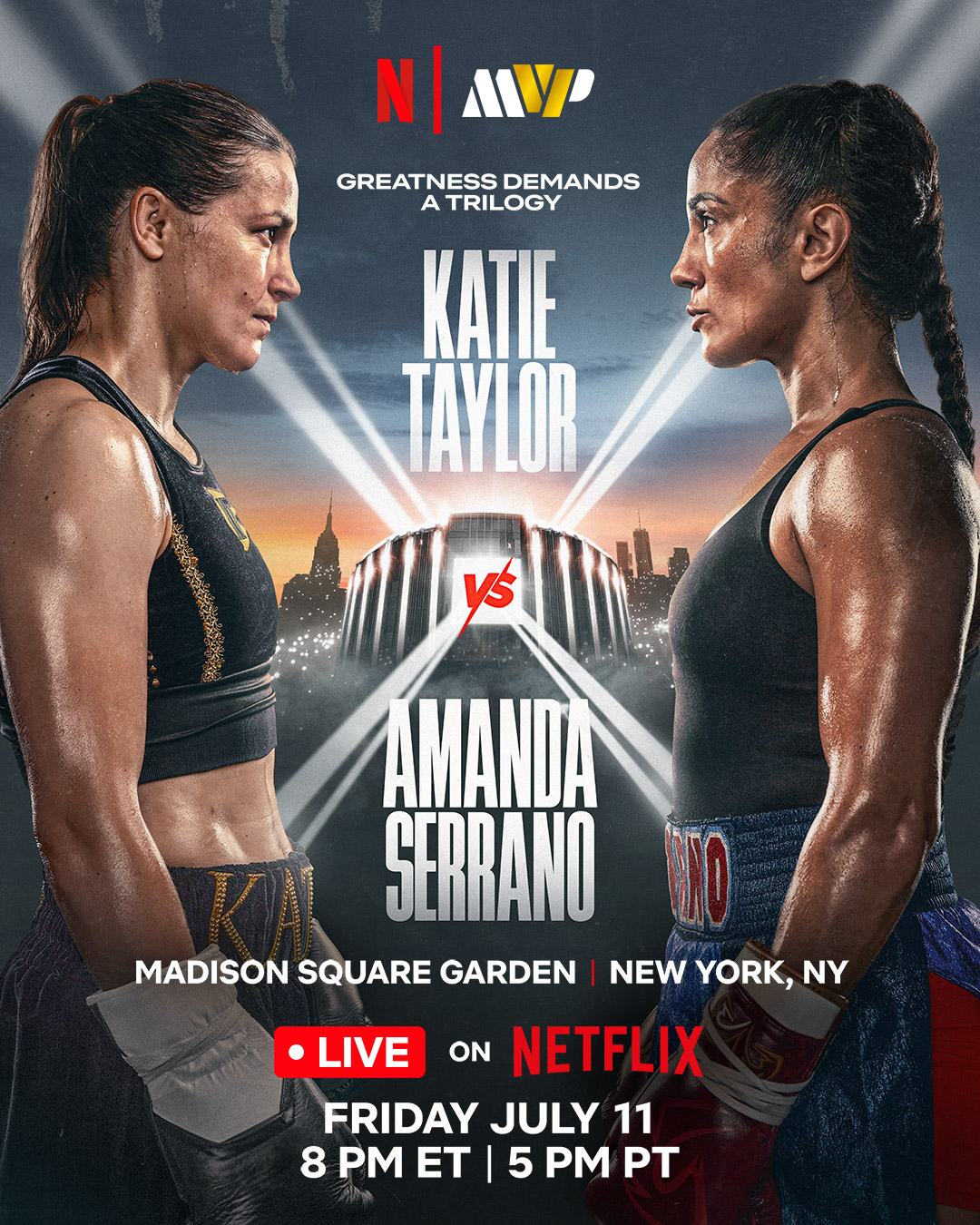
Event
Taylor vs. Serrano III
Platform
Netflix Live
Measurement
Placecast Select
Scenarios
266 Viewing Conditions across 6 Time Zones
OOH Footprint
89,999 Venues
Taylor vs Serrano 3 - Netflix Live Event
VideoAmp
Cross-Media Measurement
Netflix
Compelling Content
Population Intelligence Infrastructure
$190M+
Incremental venue revenue generated in a single evening by bars and restaurants showing the fight
90+ min
Extra dwell time per patron at venues showing Taylor vs. Serrano compared to venues that did not
Core Finding
Bars and restaurants that showed Taylor vs. Serrano kept patrons engaged an average of 90+ extra minutes compared to venues that chose not to show it, generating an estimated $190M+ in incremental venue revenue in a single evening.
Secondary Finding
Audience behavior varied dramatically depending on which coast you were on. A national average would have told Netflix their OOH audience was declining. In reality, half the country was still watching at peak capacity. Know your audience, and respect their bedtimes. ;)
VideoAmp & Motionworks measured it  /  Placecast Select proved it  /  48-hour turnaround

When the Main Event Hits at 11:00 PM ET

The main card starts. On the East Coast, it's late. On the West Coast, prime time is just heating up. A national average masks both stories.
Winding Down
11 PM
Eastern Time
Bars closing in 45-60 min
Casual viewers already left
Engagement declining 35%+ from peak
Only dedicated fight fans remain
VS
Peak Hours
8 PM
Pacific Time
Venues at peak capacity
Dinner crowds transitioning to event
Engagement climbing to peak
Full casual + dedicated audience

Person-Minutes Per Minute by Time Zone

Indexed engagement (100 = timezone peak) across event duration. Each timezone tells a locally logical story.
Eastern (ET)
Central (CT)
Mountain (MT)
Pacific (PT)
+3h
Pacific Time venues were still watching the fight at peak viewership 3 hours after Eastern Time audiences had left.
Netflix's content reached engaged OOH audiences well past midnight ET because it was still prime time on the West Coast. A national-level viewership report would have understated the true out-of-home reach of the event by collapsing these two realities into one declining line.
!
Eastern Time viewership dropped 65% from peak to main event. Pacific stayed within 4% of peak.
Half the country was still actively watching at full capacity. For VideoAmp's cross-media reporting, this is the difference between telling Netflix "your OOH audience declined" and "your content sustained peak viewership across three hours of prime time in the western half of the U.S."

Why Bars Kept Watching While Restaurants Closed

Venue type determines content viewership patterns. Activated venues (confirmed showing the fight) held audiences through the main event. The broader set of all measured venues followed normal closing patterns. Both are accurate. Both need to be reported separately.

ET: Audience Retention by Venue Type

Eastern Time venues after 10 PM local

PT: Audience Retention by Venue Type

Pacific Time venues after 7 PM local
2x
Bars and restaurants showing the Netflix fight retained viewers at 2x the rate of general commercial venues at the same hour.
At 11 PM ET, dedicated watch venues still had 65% of their peak audience actively viewing. General venues were down to 38%. For Netflix, this means the fight was holding dedicated OOH audiences even as casual foot traffic thinned. For VideoAmp, it validates that venue-type segmentation is essential to accurate content viewership reporting.
3x
Activated venues skew 3x toward bars and pubs compared to all measured venues.
This composition difference explains why the two venue sets show different viewership curves. It's not a measurement error. It's different audiences in different environments watching the same content. Placecast Select separates the signal from the noise so VideoAmp can report accurate out-of-home viewership to Netflix.

POI Composition: Activated vs. All Measured Venues

Activated venues skew 3x toward bars and pubs. Different compositions produce different engagement profiles, both consistent with venue type.
Why This Matters for Content Viewership

A national average would have told Netflix their OOH audience was declining. In reality, the audience was behaving exactly as you'd expect: East Coast patrons went home because it was past midnight. West Coast patrons stayed because it was still prime time. The viewership was real, sustained, and fully explainable. You just have to know your audience, and respect their bedtimes.


Where Netflix's Audience Was Actually Watching

The venues showing Taylor vs. Serrano are Netflix's OOH distribution channel. Timezone-aware measurement reveals where the content was reaching peak audiences and where viewership was naturally tapering with local closing times.
Sports Bars (PT)
8 PM LocalPeak Viewership
Retention92%
Restaurants (PT)
8 PM LocalHigh Viewership
Retention76%
Sports Bars (ET)
11 PM LocalDedicated Fans
Retention58%
Restaurants (ET)
11 PM LocalClosing
Retention24%
TV
Netflix content reached sustained OOH audiences across 6 time zones. National reporting would have missed half the story.
For VideoAmp's cross-media reporting, this changes the narrative entirely. Instead of "OOH viewership declined during the main event," the accurate report is: "Netflix's live event sustained peak out-of-home viewership across the western U.S. through the final bell, while eastern venues followed expected local closing patterns." That's the story Netflix and their venue customers need to see.
The Punchline

No other OOH measurement provider has demonstrated the ability to decompose a live event into 266 viewing conditions across 6 time zones within 48 hours. This is the resolution that cross-media content viewership measurement demands. VideoAmp & Motionworks delivered it. Netflix benefited.

This Is Not a One-Off Study

Motionworks produces this level of analysis on a daily basis across active OOH campaigns, with a consistent 48-hour latency from event to deliverable. Taylor vs. Serrano is one example of an operational capability that runs continuously for VideoAmp's cross-media measurement pipeline.


What Netflix Content Viewership Means for Venue Economics

Netflix live events drive extended dwell time at venues showing the fight. This calculator models the incremental revenue generated when content keeps patrons engaged beyond normal hours. Adjust the assumptions to fit your market.

Adjust Assumptions

Retention rate represents the share of peak capacity still present during the extended viewing period. Fight-night data showed 58-92% depending on timezone and venue type.

Eastern Time Venue
$1,440
incremental revenue per venue
Pacific Time Venue
$2,880
incremental revenue per venue
Total Estimated Incremental Revenue Across All Venues
$10.8M
generated by Netflix content keeping patrons at venues longer

Who's Watching, Where

Each timezone tells a different audience story. Click a zone to explore the demographics and consumer profiles that define viewership behavior at that local hour.
Loading US map data...
Failed to load map data. Check your network connection and refresh.
Audience Intelligence
Eastern Time — 11:00 PM
Primary Market · Fight Start Zone
Northeast · Mid-Atlantic · Southeast · Great Lakes